
O1 Visa Processing Time: What to Expect in 2026
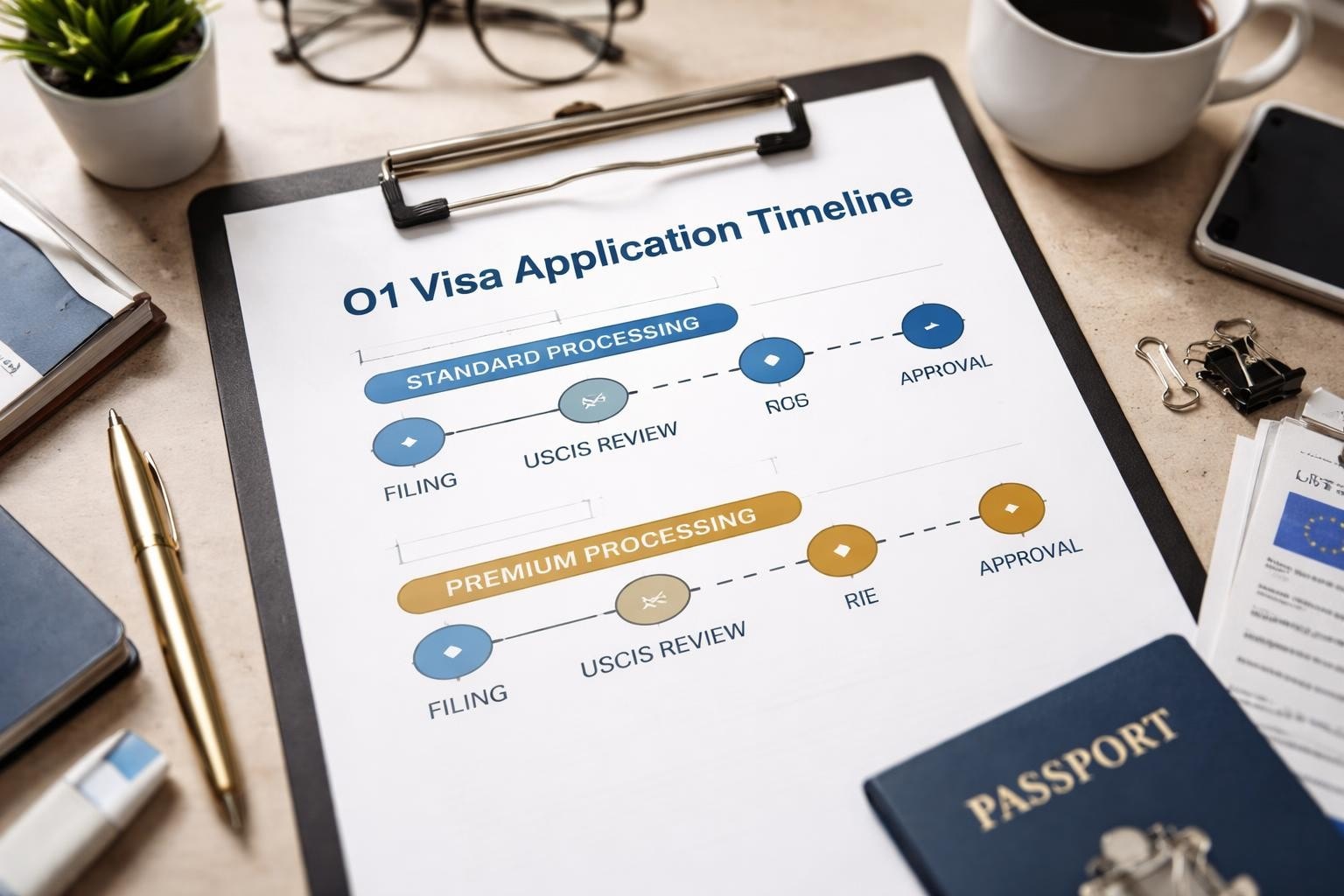
Understanding the timeline for your O-1 visa application is critical for planning your career move to the United States. Whether you're an artist, entrepreneur, scientist, or professional with extraordinary abilities, knowing how long the process takes helps you coordinate job transitions, project commitments, and relocation logistics. The o1 visa processing time varies based on several factors, from the service center handling your case to whether you choose premium processing options.
Standard O1 Visa Processing Time
The typical o1 visa processing time under standard processing ranges between two to three months from the date USCIS receives your petition. This timeframe represents the period during which immigration officers review your application, evaluate your evidence of extraordinary ability, and make a determination on your case.
However, this estimate should be viewed as a general guideline rather than a guarantee. Processing times fluctuate based on the workload at different USCIS service centers and the complexity of individual cases.
Service Center Variations
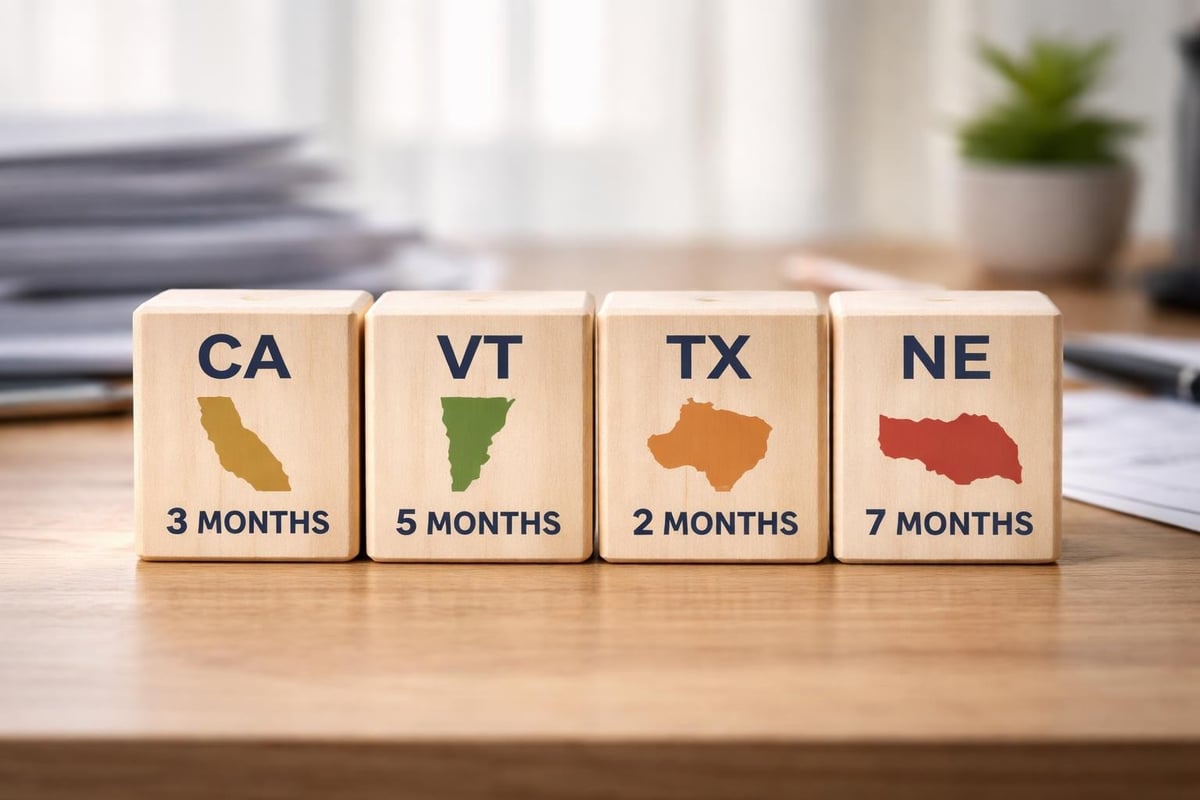
USCIS operates multiple service centers across the country, and each facility processes O-1 petitions at different speeds. The California Service Center and Vermont Service Center are the two primary facilities handling these applications.
Current processing patterns show:
- California Service Center typically processes O-1 cases within 8-12 weeks
- Vermont Service Center averages 6-10 weeks for similar petitions
- Texas Service Center handles overflow cases with comparable timelines
- Nebraska Service Center processes select O-1 applications based on geographic jurisdiction
Your petition gets assigned to a service center based on your intended work location or your petitioner's address. This assignment happens automatically and cannot be changed based on processing speed preferences.
Premium Processing for O-1 Visas
Premium processing represents the most effective way to accelerate your o1 visa processing time. For an additional fee of $2,805 in 2026, USCIS guarantees a decision within 15 calendar days of receiving your petition under premium processing.
This expedited service provides significant advantages beyond speed. The 15-day timeline includes all outcomes: approval, denial, or a Request for Evidence (RFE). If USCIS fails to process your case within this timeframe, they refund the premium processing fee while continuing to process your petition on an expedited basis.
When Premium Processing Makes Sense
Premium processing proves particularly valuable in several situations. Professionals with time-sensitive job offers benefit from the certainty of a quick decision. Those coordinating project deadlines or performance dates find the predictable timeline essential for planning.
Additionally, premium processing helps when:
- Your current visa status expires soon
- You need to start work by a specific date
- Project commitments require confirmed immigration status
- Business partnerships depend on your physical presence in the US
- You're transitioning from another visa category with tight timing
The O1 visa petition process becomes significantly more manageable when you can rely on a concrete decision date rather than monitoring case status for months.
Factors Affecting O1 Visa Processing Time
Multiple variables influence how quickly USCIS adjudicates your O-1 petition. Understanding these factors helps set realistic expectations and potentially avoid delays.
Application Completeness and Quality
The most controllable factor affecting processing time is the quality and completeness of your initial submission. A well-prepared petition with comprehensive evidence, properly organized documentation, and clear presentation of your extraordinary abilities moves through the system faster.
Common issues that extend processing include:
- Missing required forms or signatures
- Insufficient evidence of extraordinary ability
- Unclear advisory opinion letters
- Incomplete employer documentation
- Gaps in the evidentiary record
Working with experienced professionals who understand O1 visa requirements significantly reduces the likelihood of these delays.
Request for Evidence (RFE)
When USCIS issues an RFE, your o1 visa processing time extends considerably. The RFE process adds 60-90 days to your timeline, as you must respond within the specified deadline and USCIS then requires additional time to review your supplemental evidence.
| RFE Impact | Timeline Extension | Total Processing Time |
|---|---|---|
| Standard Processing + RFE | 60-90 days | 4-6 months |
| Premium Processing + RFE | 15 days initial + 60 days response + 15 days review | 3 months |
| Multiple RFEs | 90-180 days | 6-9 months |
Preventing RFEs through thorough initial preparation represents the best strategy for maintaining reasonable processing timelines.

Filing Timeline Considerations
Beyond USCIS processing time, several other timeline factors affect when you can begin working under your O-1 visa. The entire process from initial preparation to receiving your visa stamp involves multiple stages.
Preparation Phase
Before USCIS processing even begins, you need time to gather evidence, secure recommendation letters, obtain an advisory opinion, and compile your petition package. This preparation typically requires 4-8 weeks for most applicants.
Preparation timeline breakdown:
- Evidence gathering and documentation: 2-3 weeks
- Recommendation letter collection: 2-4 weeks
- Advisory opinion request and receipt: 2-3 weeks
- Petition assembly and review: 1 week
These phases often overlap, but rushing this stage compromises application quality and increases RFE risk.
Consular Processing for Foreign Nationals
If you're applying from outside the United States, add consular processing time to your overall timeline. After USCIS approves your petition, you must schedule a visa interview at a US embassy or consulate.
Consular appointment availability varies dramatically by location. Major cities like London or Toronto typically offer appointments within 2-3 weeks, while other locations may have waiting periods of 1-2 months. The interview itself adds another 1-2 weeks for visa stamping and passport return.
Understanding the standard O-1 visa processing timeline helps coordinate these multiple stages effectively.
Change of Status vs. Consular Processing
Your o1 visa processing time differs significantly depending on whether you're already in the United States or applying from abroad.
Change of Status Applications
When you're already in the US on another valid visa status, you can request a change of status to O-1 as part of your petition. USCIS processes these requests concurrently with the petition approval, meaning you can begin working immediately upon approval if your requested start date has arrived.
This approach eliminates the need for consular processing and allows for seamless transitions, particularly valuable for those switching from H1B visa alternative options.
Consular Processing Requirements
Foreign nationals outside the US or those preferring to obtain a visa stamp must complete consular processing. While this adds time to the overall process, it provides a physical visa in your passport valid for the duration of your approved petition period.
| Processing Method | USCIS Time | Additional Steps | Total Timeline |
|---|---|---|---|
| Change of Status (Standard) | 2-3 months | None | 2-3 months |
| Change of Status (Premium) | 15 days | None | 15 days |
| Consular Processing (Standard) | 2-3 months | Interview + stamping (3-6 weeks) | 3-4.5 months |
| Consular Processing (Premium) | 15 days | Interview + stamping (3-6 weeks) | 6-9 weeks |
Extensions and Renewals
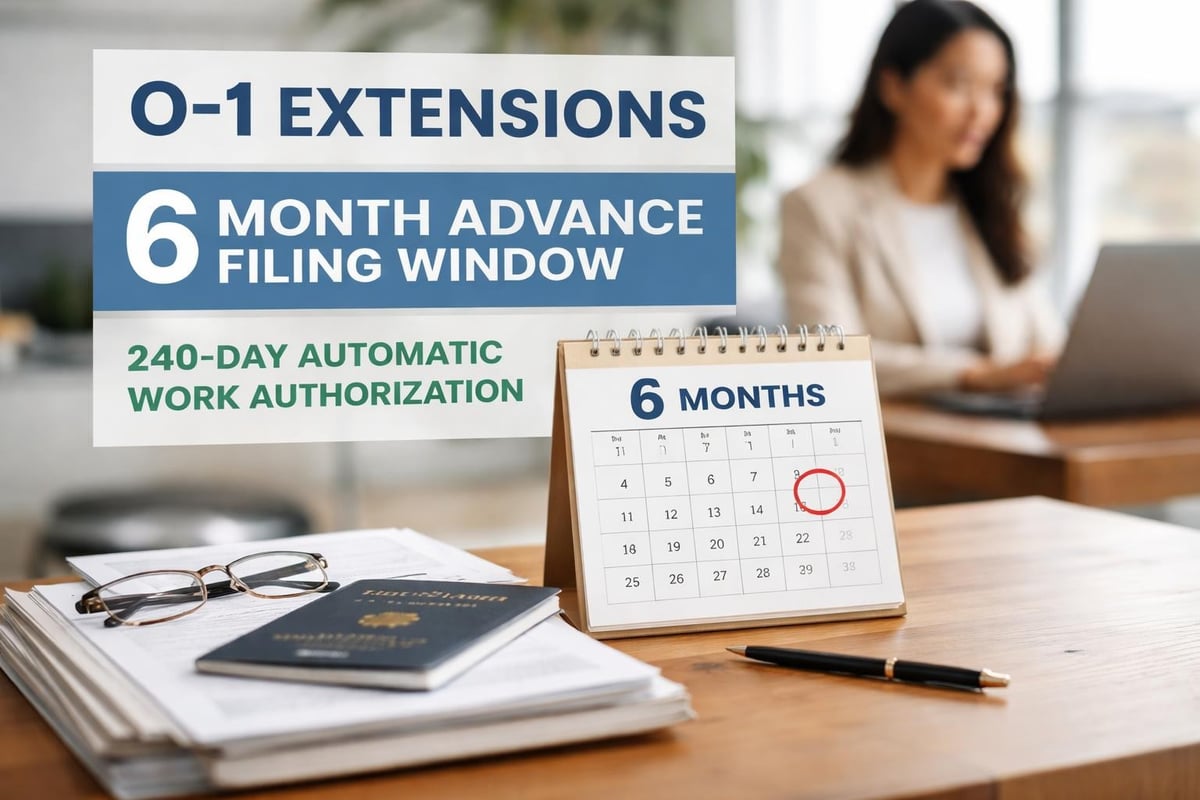
Understanding processing times for O-1 extensions proves equally important as initial applications. USCIS recommends filing extension petitions at least six months before your current status expires, though they must be filed no earlier than six months prior to expiration.
Extension Processing Timeline
O-1 extension petitions follow the same processing timelines as initial applications. Standard processing takes 2-3 months, while premium processing delivers decisions within 15 days. However, extension cases sometimes process slightly faster because you're already in the system with an approved petition history.
The advantage of timely extension filing is the 240-day automatic extension provision. If you file your extension before your current O-1 expires, you can continue working for up to 240 days while USCIS processes your petition, even if your original expiration date passes.
For those considering long-term plans, exploring O1 visa to green card pathways provides valuable context for extension strategies.
Expedited Processing Options Beyond Premium
While premium processing represents the primary acceleration method, certain circumstances qualify for expedited processing without the premium fee. USCIS may expedite cases involving severe financial loss, emergency situations, humanitarian reasons, or compelling US government interests.
Criteria for Fee-Free Expediting
Requesting expedited processing requires demonstrating specific qualifying circumstances. The burden of proof rests entirely on the applicant to show why standard processing timelines cause significant hardship.
Qualifying scenarios include:
- Medical emergencies requiring your immediate presence
- Severe financial loss to a company or individual
- Emergency situations with compelling urgency
- US government interest in expediting the case
USCIS evaluates expedite requests on a case-by-case basis with no guarantee of approval. The lack of predictability makes this option unreliable for planning purposes compared to premium processing.
Monitoring Your Case Status
Once USCIS receives your petition, you can track its progress through several channels. The receipt notice you receive contains a case number that allows online status checking through the USCIS website.
Case Status Updates
USCIS updates case statuses at various processing stages. Initial updates confirm receipt and acceptance of your petition. Subsequent updates may indicate the case is actively being reviewed, that an RFE has been issued, or that a decision has been made.
Setting up case status notifications through the USCIS online portal ensures you receive immediate alerts when your case status changes. This proves particularly valuable for identifying RFEs quickly and maximizing response time.
Understanding typical processing speeds for your service center helps calibrate expectations when monitoring your case.
Planning Around Processing Times
Strategic timing of your O-1 petition filing requires balancing multiple factors. Filing too early may result in an approved petition that starts before you're ready to begin work. Filing too late creates unnecessary stress and potential gaps in employment authorization.
Optimal Filing Windows
The ideal filing timeline depends on your specific circumstances. For those outside the US with consular processing required, filing 4-5 months before your intended start date provides adequate buffer time under standard processing. Premium processing reduces this window to 2-3 months.
Recommended filing timelines:
- Standard processing, change of status: 3-4 months before start date
- Standard processing, consular processing: 4-5 months before start date
- Premium processing, change of status: 6-8 weeks before start date
- Premium processing, consular processing: 2-3 months before start date
These windows account for preparation time, USCIS processing, and any unexpected delays while avoiding excessively early approvals.
Impact of Current Immigration Policies
The o1 visa processing time can be influenced by broader immigration policy changes and USCIS operational adjustments. In 2026, several factors continue to affect processing speeds across all visa categories.
Staffing and Resource Allocation
USCIS service center staffing levels directly impact how quickly officers can adjudicate petitions. Budget constraints, hiring freezes, or resource reallocation to other immigration priorities can extend standard processing times beyond historical averages.
Monitoring official USCIS processing time estimates for your service center provides the most current information. These estimates are updated quarterly and reflect actual processing speeds rather than theoretical timelines.
For Canadian applicants, understanding specific considerations outlined in O1 visa for Canadians information helps navigate any bilateral policy impacts.
Common Processing Delays and Solutions
Certain application elements consistently cause processing delays. Recognizing these issues in advance allows for proactive prevention strategies.
Advisory Opinion Delays
The peer advisory opinion requirement for O-1 petitions sometimes creates unexpected delays. Relevant peer groups or labor organizations may take 3-4 weeks to issue opinions, and some delay longer during busy periods or leadership transitions.
Starting the advisory opinion request process early in your preparation phase prevents this requirement from becoming a bottleneck. Some organizations offer expedited opinion services for additional fees.
Evidence Organization Issues
Poorly organized evidence packets slow down USCIS officer review and increase RFE likelihood. Officers processing dozens of cases daily appreciate clear, logical evidence presentation with detailed indexing and explanatory cover letters.
| Organization Method | Impact on Processing | RFE Risk |
|---|---|---|
| Chronological evidence only | Slower review | High |
| Random document order | Much slower review | Very high |
| Organized by criterion with index | Efficient review | Low |
| Criterion organization + summary | Fastest review | Lowest |
Investing time in proper evidence organization pays dividends in processing efficiency and approval likelihood.
Processing Time Trends and Predictions
Historical data shows o1 visa processing time has remained relatively stable over the past several years, though minor fluctuations occur. The 2-3 month standard processing window has persisted as the norm, while premium processing maintains its 15-day guarantee.
2026 Processing Environment
Current trends suggest processing times will remain consistent throughout 2026 for O-1 petitions. These visas receive relatively prioritized attention compared to some other categories due to their focus on individuals with extraordinary abilities who contribute significantly to their fields.
USCIS continues emphasizing premium processing availability, recognizing the value of predictable timelines for employers and beneficiaries. The premium processing fee structure funds additional staffing and resources dedicated to these expedited cases.
Learning from resources about processing time variability helps set appropriate expectations while planning your application strategy.
Coordinating with Employers and Agents
Many O-1 applicants work with agents or employers who serve as petitioners. Coordinating processing time expectations with these parties ensures everyone maintains realistic timelines for onboarding and project planning.
Employer Communication Strategies
Transparent communication with your petitioning employer about processing timelines prevents misunderstandings and disappointment. Sharing USCIS processing time data and explaining variables affecting your specific case helps align expectations.
Discussing premium processing options early allows employers to budget for this expense if timeline certainty proves necessary. Many employers willingly cover premium processing fees when the business case demonstrates value in guaranteed timelines.
Understanding the role of an O1 visa agent provides clarity on how professional assistance streamlines the entire process, including timeline management.
Strategic Timeline Management
Successfully navigating o1 visa processing time requires strategic planning that accounts for multiple variables. Creating a comprehensive timeline that incorporates preparation phases, USCIS processing, and post-approval steps ensures smoother execution.
Building Your Personal Timeline
Start by identifying your absolute latest start date for US-based work or activities. Work backward from this date, adding conservative time estimates for each phase. Include buffer periods for unexpected delays or RFEs.
Sample timeline construction:
- Identify required start date
- Subtract consular processing time if applicable (4-6 weeks)
- Subtract USCIS processing time (2-3 months standard, 15 days premium)
- Subtract preparation and assembly time (4-8 weeks)
- Add 2-4 week buffer for contingencies
- Result: Your petition filing deadline
This methodical approach prevents last-minute rushes and reduces stress throughout the application process.
Navigating the o1 visa processing time requires careful planning, realistic expectations, and strategic decision-making about premium processing and filing timelines. Understanding the various factors that influence processing speeds empowers you to create effective application strategies that align with your career goals and commitments. Whether you're facing time-sensitive project deadlines or planning a measured transition to US-based work, professional guidance ensures your petition receives the attention and preparation necessary for efficient processing. O1 Experts specializes in streamlining the O-1 application process with comprehensive support from eligibility assessment through approval, helping you navigate processing timelines while building the strongest possible case for your extraordinary abilities.
Ready To Get Started?
Fill out the form and our expert team will get back to you shortly.
Office Hours
Monday - Sunday: 8AM - 8PM PST
Our Address
609 Metairie Rd
#4013
Metairie, LA 70005