
Navigating the O1 Visa with Spouse: What You Need to Know
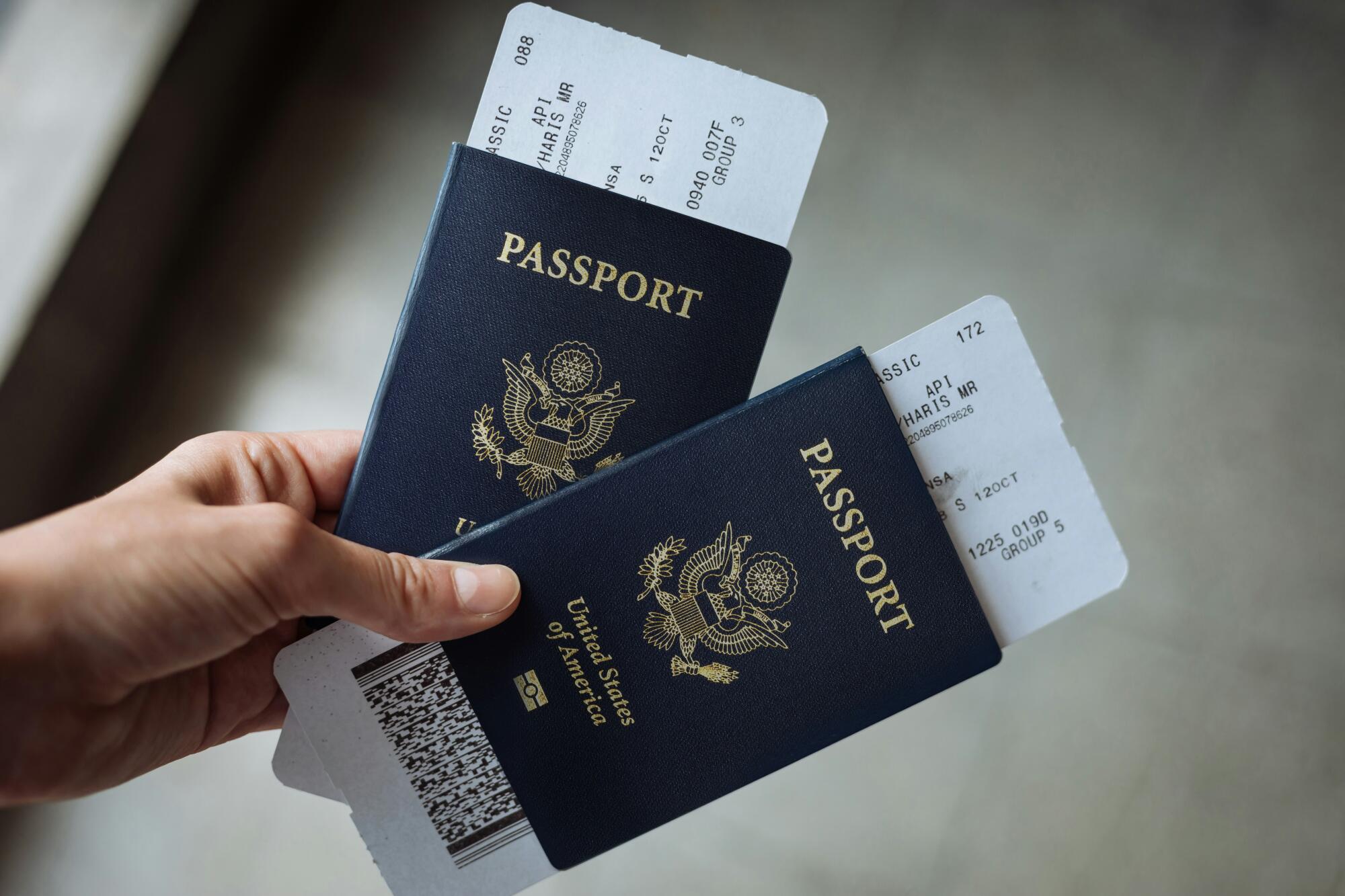
O1 visa spouse planning is a critical part of your U.S. journey when you have an extraordinary ability. The partner of an O1 visa holder applies for an O3 visa, designed for dependents of O1 and O2 visa holders.
A report by the Financial Times, cited by The Guardian, reveals that the yearly total of O1 visas issued increased by roughly 50% from 2014 through 2024. This growth reflects rising demand and increased competition among highly skilled applicants.
As more professionals apply, the strength of your petition becomes even more important and that includes the dependent application attached to it. Understanding the O1 visa spouse pathway helps you plan effectively, avoid procedural missteps, and keep your family united without unnecessary stress or delays.
What Exactly Is the O3 Visa for Your Spouse?
Think of the O3 visa as a supporting role in your headlining act. It allows your spouse to accompany you to the U.S. while you work in your field. The defining feature here is "accompany." This visa is designed solely to keep your family united.
The O3 application is directly tied to your valid O1 status. As long as your marriage is legally recognized and your status is maintained, your spouse remains eligible. This direct link is why getting your O1 visa documentation right from the beginning matters.
O1 Visa Spouse Benefits and Critical Boundaries
The O3 visa delivers meaningful O1 visa benefits that help your family build a real life in the U.S. Your spouse can live with you, obtain a driver’s license, open bank accounts, and fully participate in everyday life.
There is, however, one non-negotiable boundary: an O3 visa holder cannot work, as outlined by U.S. visa guidelines. Unlike you, as the primary O1 visa holder, your spouse has no authorization to accept employment of any kind. This is a key financial planning point.
The silver lining is that an O3 spouse can still volunteer, pursue hobbies, and take recreational or avocational classes. They simply cannot earn income from U.S. sources.
How the O1 Visa Application Process Includes Your Spouse
You have two main routes for bringing your spouse along, and the right choice depends on your timeline. The most common route is concurrent filing. This means you and your spouse’s applications are submitted together.
The advantage is efficiency, with both petitions processed together. You include all O3 forms, your marriage certificate, and supporting evidence with your O1 package.
The second route is a follow-on filing, used when your O1 is already approved, and circumstances change, perhaps you marry after securing your status. Your spouse then applies for an O3 visa abroad at a U.S. consulate, typically completing the DS-160 online visa application as part of the process.
This process focuses on proving your valid O1 status and the legitimacy of your marriage. In both scenarios, the O1 visa application process you’ve already navigated serves as the anchor.
How Do I Meet the O3 Spouse Visa Requirements?
The spouse visa requirements for an O3 are far less intensive than what you’ll face as the primary applicant. There’s no need to prove extraordinary ability, compile expert opinion letters, or present a portfolio of awards. The spotlight is on your relationship and your maintained status.
Essential documentation includes:
- A valid marriage certificate proving your legal relationship to the O1 principal
- Proof of your approved O1 status, such as your I-797 Approval Notice
- A completed Form I-539, Application to Extend/Change Non-immigrant Status, if your spouse is already in the U.S. on a different visa
- Valid passports for both you and your spouse
- Passport-style photographs meeting U.S. government specifications
If applying from outside the U.S., your spouse will also complete the DS-160 and attend an interview at a U.S. embassy or consulate. This interview is routine, and your spouse should be prepared to answer questions about your life together and your extraordinary career.
A well-organized petition that meets USCIS requirements helps the consular officer verify everything quickly and accurately.
Travel, Timing, and Status Synchronization
Once both visas are approved, international travel is permitted. Your spouse can travel independently, but it’s wise for them to carry copies of your O1 approval notice, a marriage certificate, and their O3 approval documents.
Timing is everything when it comes to maintaining a lawful status. The O3 visa is directly linked to your O1 validity. If you secure an extension for an ongoing project, your spouse must also file for an extension before their current O3 status expires.
Pitfalls to Avoid When Applying with Your Spouse
A smooth process depends on attention to detail in meeting spouse visa requirements. A common misstep is submitting incomplete O1 visa documentation for the dependent portion.
Even though the O3 request is simpler, a poorly translated or uncertified marriage certificate can trigger significant delays. Every foreign-language document must have a certified English translation that meets USCIS standards.
Another frequent challenge involves understanding the non-immigrant intent requirement. As an O3 holder, your spouse must maintain a residence abroad that they have no intention of abandoning. Presenting your case as a temporary stay aligned with the visa’s intent helps avoid scrutiny.
What Happens When Life Changes on an O3 Visa
Life presents new opportunities, and the O3 visa offers a stable platform, not a dead end. If your spouse later decides they want to work in the U.S., they are not trapped; they simply need to change their status independently.
For example, if your spouse also possesses extraordinary ability, they could pursue their own O1 visa. This means meeting the full O1 visa eligibility criteria with their own portfolio, recommendation letters, and a field-specific petition.
Working even one day before that authorization is granted is strictly prohibited and carries serious consequences for future immigration benefits.
Frequently Asked Questions
Can My O3 Spouse Work or Build a Career in the United States?
No. O3 visa holders are not authorized to work in the United States under any circumstances tied to their dependent status. This includes both traditional employment and self-employment.
However, in 2026, many spouses begin exploring long-term options if their personal or professional goals evolve while in the U.S. In those cases, they may need to transition into a separate visa category based on their own qualifications and eligibility.
For a deeper breakdown of rights, limitations, and evolving options for spouses, you can explore our O1 spouse visa guide.
Can My O3 Spouse Study in the United States?
Yes, in most cases, your spouse can participate in part-time study, recreational courses, or non-degree programs while on O3 status. These activities are generally permitted as long as they are not the primary purpose of their stay.
If your spouse intends to pursue full-time academic enrollment, a change to a student visa, such as an F1, may be required depending on the institution and program type.
Does the O3 Visa Have a Separate Filing Fee?
Yes, the O3 application requires its own filing fee when submitted through Form I-539 for a change or extension of status, or through consular processing if applying abroad.
These costs are separate from your O1 petition expenses, so planning for both helps avoid unexpected financial delays during the application process.
What If We Married After My O1 Was Approved?
This is a common scenario and is handled through a follow-on filing process. Your spouse can apply for an O3 visa using your approved O1 documentation along with your official marriage certificate.
It is best to begin the process as soon as possible after marriage to minimize time apart and ensure a smooth transition into dependent status.
How Long Can My Spouse Stay on an O3 Visa?
Your spouse’s O3 status is valid for the same duration as your approved O1 status. Any extensions or changes to your O1 petition will directly extend or affect your spouse’s status as well.
Because of this dependency, maintaining synchronized timelines is essential to avoid any gaps in lawful status for either party.
Can We Travel Internationally While an O3 Extension Is Pending?
Traveling while an O3 extension is pending is strongly discouraged. Leaving the United States during this time may result in the application being considered abandoned.
Waiting for approval before international travel helps avoid complications at the border and ensures uninterrupted lawful status.
Does Premium Processing Apply to the O3 Application?
No, premium processing is not available for O3 dependent applications. These cases follow standard USCIS processing timelines.
The most effective way to avoid delays is to submit a complete and accurate application from the start, reducing the likelihood of requests for additional evidence.
Take Control of Your Family’s U.S. Journey with Confidence
Understanding the O1 visa spouse pathway helps you plan effectively and prevent the procedural gaps that can separate families. Evaluate your strategy as a couple so your combined journey stays on track from day one.
At O1 Experts, we were built by someone who experienced the O1 process firsthand and understands balancing personal dreams and professional excellence. With over 1,000 visas approved, we act as your petitioner and sponsor, offering O1A, O1B, and EB-1A services with no employer required and one upfront fee.
We work with clients across the United States and internationally, delivering tailored petitions that present your achievements clearly and create a seamless path for the people you love. Contact us today to start your family’s O1 journey.
Tags:
Ready To Get Started?
Fill out the form and our expert team will get back to you shortly.
Office Hours
Monday - Sunday: 8AM - 8PM PST
Our Address
609 Metairie Rd
#4013
Metairie, LA 70005